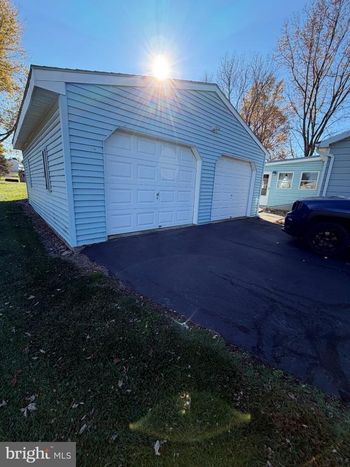
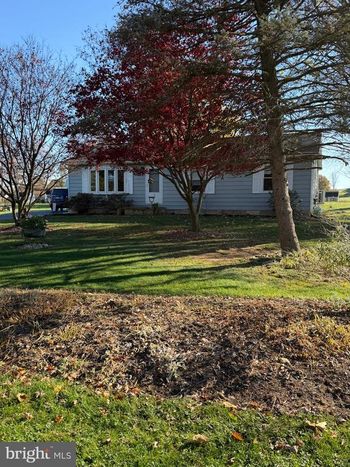
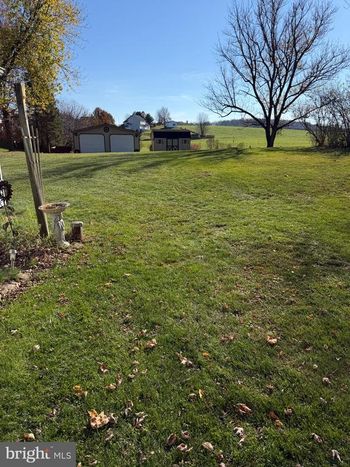
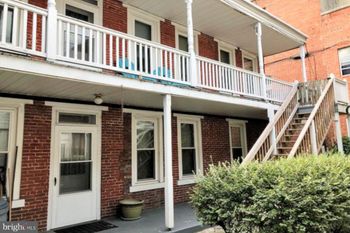
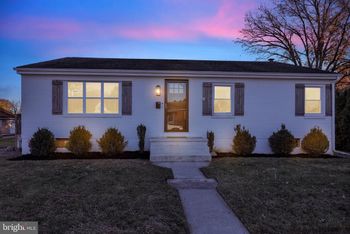
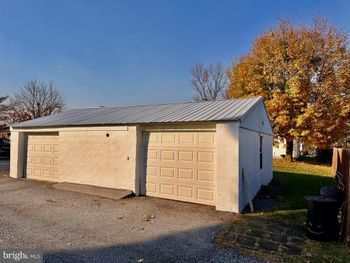
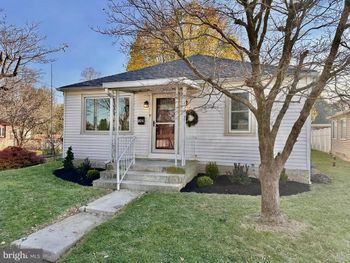
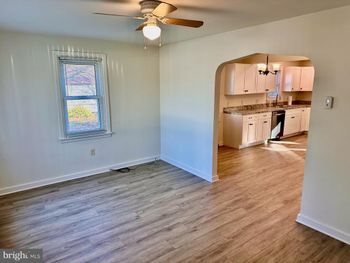
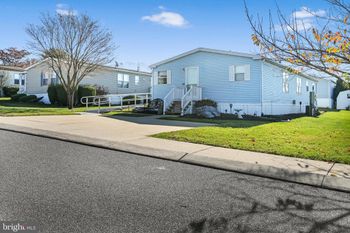
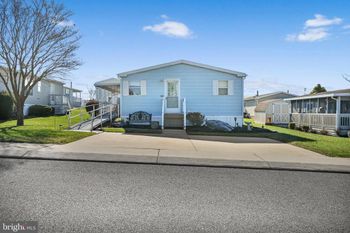
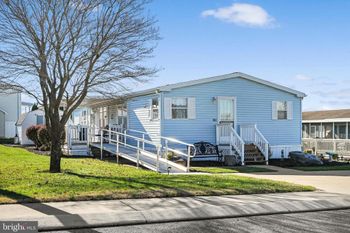
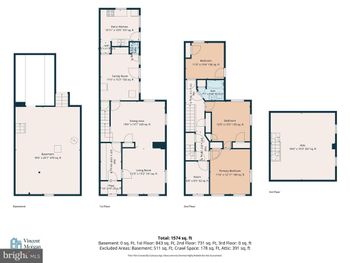
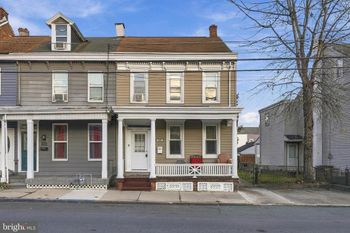
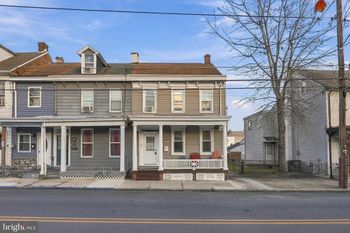
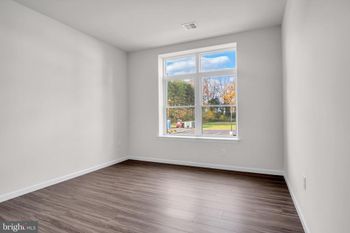
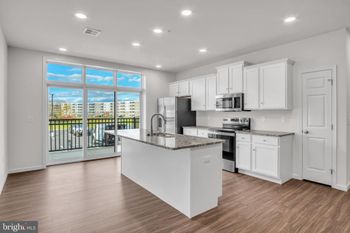
New - 9 Hours Ago
$249,000
Active
5
Beds
2
Baths
1765
Sqft
0.11
Acres
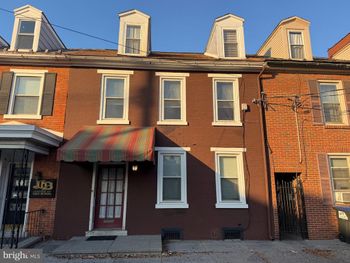
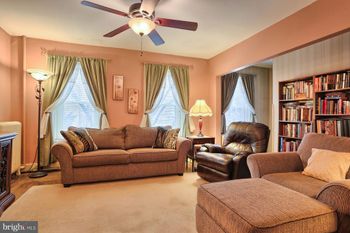
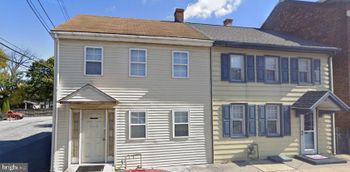
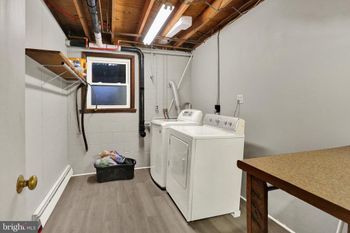
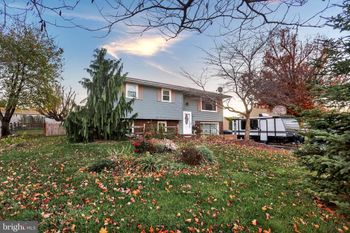
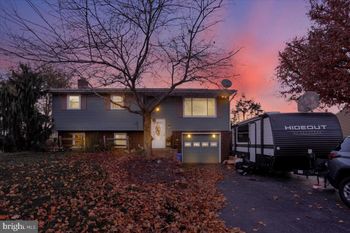
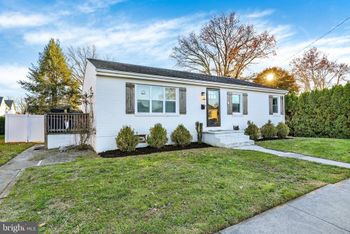
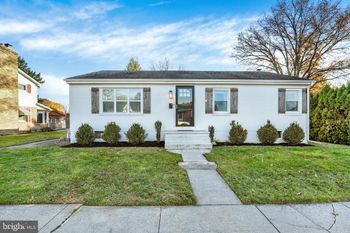
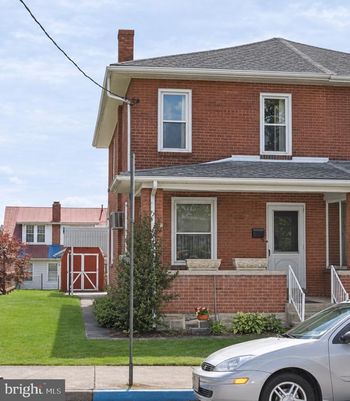
1242 E Old Cumberland St, Lebanon, PA 17042
MLS#: PALN2029778



Are you planning to purchase your first home in Lebanon, Pennsylvania? Buying a home for the first time is an exciting step toward building a future, creating financial stability, and finding a place you can truly call your own. However, if you have never purchased a property before, understanding where to begin, how much you can afford, and what to expect throughout the process can feel challenging.
From saving for a down payment and getting mortgage pre-approval to exploring neighborhoods, comparing properties, and preparing for closing costs, there are several important decisions to make before becoming a homeowner.
Fortunately, Lebanon, PA, offers a variety of residential communities and housing options worth exploring. Whether you are interested in a traditional single-family home in the City of Lebanon, a property in Annville or Palmyra, or a home in a quieter community such as Cornwall or Cleona, you can explore different locations based on your budget and lifestyle.
If you are considering purchasing your first home in Lebanon County, this guide will walk you through everything you need to know. We will explain the homebuying process, discuss common expenses, explore local homebuyer assistance programs, and share practical tips to help you make an informed decision.
Choosing where to purchase your first home is just as important as choosing the property itself.
Lebanon is located in south-central Pennsylvania and offers a combination of established residential neighborhoods, small-town communities, local businesses, recreational facilities, and convenient connections to nearby cities.
For first-time buyers, exploring Lebanon and its surrounding communities can provide opportunities to compare different property styles, locations, and price ranges.
Here are some reasons to consider Lebanon, PA, when beginning your home search.
Lebanon County offers different types of residential properties, making it possible to explore homes based on your preferences and financial situation.
Depending on current availability, you may find:
Having different housing options allows you to compare properties and determine which type best fits your current requirements.
Lebanon County includes several communities with different residential environments.
Some locations worth exploring include:
Each community has its own characteristics, so explore several locations before deciding where you want to live.
Lebanon provides connections to other Central Pennsylvania destinations, including Harrisburg, Lancaster, Hershey, and Reading.
If you work outside Lebanon, consider how far your future home will be from your workplace and whether the commuting distance fits your daily routine.
When buying your first home, you should also consider the amenities surrounding the property.
Lebanon County offers parks, walking trails, recreational facilities, shopping areas, restaurants, healthcare services, and educational institutions.
Destinations such as Coleman Memorial Park, Stoever's Dam Park, and Swatara State Park provide opportunities to enjoy outdoor activities.
Having access to these facilities can make your overall living experience more convenient and enjoyable.
One of the biggest mistakes first-time homebuyers make is starting their property search without understanding how much they can comfortably afford.
Before browsing homes for sale in Lebanon, PA, take time to evaluate your income, savings, credit history, monthly expenses, and existing financial obligations.
Your purchasing budget should be based on more than the price a mortgage lender is willing to approve.
You should also consider how much money you can comfortably spend each month while still maintaining your savings and covering everyday expenses.
Start by calculating your household's monthly income and existing financial commitments.
Include expenses such as:
This will help you understand how much money you can realistically allocate toward homeownership.
Your credit history plays an important role in the mortgage approval process.
Lenders generally review your credit score and credit report to evaluate your borrowing history and determine the mortgage options available to you.
Before applying for a mortgage:
A stronger credit profile may help you qualify for more favourable mortgage terms, although approval also depends on income, debts, assets, and other lender requirements.
Your savings should cover more than just the down payment.
You may also need money for:
Having additional savings can make the transition into homeownership more manageable.
Understanding the costs involved in buying a home is essential for first-time buyers.
The total amount you need depends on the property's purchase price, mortgage program, down payment, lender fees, taxes, insurance, and other transaction expenses.
Let's look at the main costs you should prepare for.
A down payment is the initial amount of money you contribute toward purchasing the property.
It represents the portion of the home's purchase price that you pay upfront, while the remaining amount is generally financed through a mortgage.
The required down payment depends on the mortgage program and your financial qualifications.
Some mortgage programs allow eligible buyers to purchase a home with a relatively small down payment.
For example:
A smaller down payment can make purchasing a home more accessible, but it may also result in mortgage insurance or other financing costs.
Example: Understanding Your Down Payment
Imagine you are purchasing a home for $250,000.
| Down payment | Amount |
|---|---|
| 3% | $7,500 |
| 3.5% | $8,750 |
| 5% | $12,500 |
| 10% | $25,000 |
| 20% | $50,000 |
These figures are illustrations only. Your actual minimum down payment depends on your loan type, lender requirements, and eligibility.
Your monthly mortgage payment is one of the most important ongoing homeownership expenses.
Depending on your loan arrangement, your payment may include:
Before choosing a property, calculate the estimated monthly payment rather than focusing only on the purchase price.
A mortgage calculator can help you understand how changes in the down payment, interest rate, and loan term affect your monthly payment.
Closing costs are expenses associated with finalising the property purchase and transferring ownership.
These costs are separate from your down payment and can include:
In Pennsylvania, the state realty transfer tax is generally 1% of the value of the property transferred. Additional local transfer taxes may apply depending on the municipality and school district.
The purchase agreement determines how the applicable transfer tax is allocated between the buyer and seller, subject to legal requirements.
Ask your lender and settlement provider for a detailed estimate before committing to a purchase.
A home inspection is an important part of evaluating a property before completing your purchase.
The inspection cost depends on the property's size, age, location, and the services requested.
You may also want separate evaluations for:
These additional inspections may involve separate fees.
Once the property purchase is complete, you will also need to prepare for moving and ongoing maintenance.
Consider expenses such as:
It is a good idea to maintain an emergency fund instead of spending all your savings on the purchase.
Choosing the right mortgage is one of the most important decisions in the homebuying process.
There are several mortgage options available in Pennsylvania, and the right choice depends on your credit profile, income, savings, property requirements, and eligibility.
Here are some common mortgage programs to discuss with a lender.
Conventional loans are mortgage products that are not directly insured or guaranteed by the federal government.
Some conventional loan programs allow eligible buyers to make a down payment as low as 3%.
If your down payment is below 20%, private mortgage insurance may be required, depending on the loan structure.
Conventional financing may be worth exploring if you have a suitable credit profile, stable income, and savings available for the purchase.
Federal Housing Administration (FHA) loans are designed to make home financing accessible to eligible borrowers.
FHA-insured mortgages generally allow a minimum down payment of 3.5% for borrowers who meet the applicable credit requirements.
FHA loans also involve mortgage insurance costs, which should be included when calculating your monthly housing expenses.
VA loans are available to eligible veterans, active-duty service members, and certain surviving spouses.
Qualified borrowers may be able to purchase a home without a down payment, subject to program requirements.
VA loans can offer attractive financing terms, but eligibility and property requirements must be satisfied.
USDA loans are designed to support eligible buyers purchasing qualifying homes in eligible rural and suburban areas.
Some qualifying USDA loan programs offer 100% financing, meaning an eligible buyer may not need a down payment.
However, property location, household income, occupancy, and other program requirements apply.
Since eligibility is based on the property's specific address and the buyer's financial situation, check whether your preferred Lebanon County property qualifies.
Saving for a down payment and closing costs can be challenging, particularly if you are purchasing your first home.
Fortunately, Pennsylvania offers programs that may help eligible buyers with home financing and upfront purchase expenses.
Before applying for a mortgage, research the assistance options available through the Pennsylvania Housing Finance Agency (PHFA) and local housing organisations.
The Pennsylvania Housing Finance Agency offers several home purchase loan programs and assistance options for eligible buyers.
Depending on your financial circumstances and the mortgage program selected, you may qualify for assistance toward your down payment or closing costs.
Some programs worth exploring include:
Keystone Advantage Assistance Loan Program
Eligible borrowers may receive assistance of up to 4% of the purchase price or appraised value, or $6,000, whichever is less.
The assistance is provided as a second mortgage with 0% interest and is repaid monthly over a ten-year term.
Keystone Forgivable in Ten Years (K-FIT)
This program provides eligible borrowers with assistance toward down payment and closing costs through a forgivable second mortgage.
The assistance is forgiven over ten years, subject to the program's requirements and continued eligibility.
Keystone Due At Time of Expiration (K-DATE)
PHFA introduced this assistance option in 2026.
Eligible buyers may receive assistance toward down payment and closing costs through a 0% interest second mortgage with no required monthly payments. Repayment becomes due when the specified loan expiration event occurs, such as selling the home, refinancing the first mortgage, or paying it off.
The amount of assistance and eligibility requirements depend on the loan amount and applicable program guidelines.
These programs have specific income, credit score, loan, and property requirements. Some assistance options cannot be combined with others.
Visit the official PHFA website or speak with a participating lender to determine which options are currently available.
If you are purchasing a home within the City of Lebanon, it is worth exploring the city's First-Time Homebuyer Program.
The program provides financial assistance to eligible buyers based on income and other program requirements.
The city highlights the importance of having some personal savings, reasonably good credit, and steady income.
The Lebanon County Redevelopment Authority administers the program and can provide information about eligibility and application requirements.
The city also offers Homebuyer 101 classes in English and Spanish, which can help prospective buyers better understand the responsibilities of homeownership.
Important: Do not assume that the City of Lebanon program applies to every property in Lebanon County. Confirm the eligible geographic area, current funding availability, income limits, and other requirements directly with the program administrator.
Another organisation worth researching is Lancaster Lebanon Habitat for Humanity.
Its homeownership program works with eligible families in Lancaster and Lebanon Counties to provide an affordable path toward homeownership.
The program involves income requirements, application procedures, and participation expectations.
Application periods and property availability may be limited, so contact the organisation directly for current opportunities.
Your first home should be in a location that supports your lifestyle, financial situation, and long-term requirements.
Lebanon County offers several communities worth considering when beginning your property search.
Here are some locations to explore.
If you prefer living close to shopping, restaurants, healthcare facilities, local businesses, and community services, consider exploring homes in the City of Lebanon.
The city has a variety of residential properties, including traditional homes, historic houses, and townhouses.
Cornwall offers a distinctive residential setting with historical character and access to outdoor recreation.
It may be worth exploring if you prefer a community outside the more urban environment of downtown Lebanon.
Annville offers a small-town atmosphere with local businesses, educational facilities, and residential properties.
It provides access to other nearby communities and may be worth considering if you prefer an established community setting.
Palmyra is another location worth exploring for first-time buyers.
The community offers access to shopping, restaurants, recreational facilities, and regional destinations such as Hershey.
Cleona is a smaller borough located between Lebanon and Annville.
It may appeal to buyers looking for a residential community with convenient connections to surrounding areas.
Myerstown offers another option in eastern Lebanon County, with local businesses, community amenities, and different residential property types.
Tip for first-time buyers: Compare property prices, local taxes, commuting distances, school district assignments, and nearby amenities before selecting a community. The most affordable property may not necessarily be the most suitable option for your everyday needs.
Mortgage pre-approval is one of the most important steps before seriously searching for a home.
It allows a lender to review your financial information and estimate how much you may qualify to borrow.
Having pre-approval can help you understand your purchasing budget and demonstrate to sellers that you are financially prepared to make an offer.
Your lender may request:
The lender uses this information to evaluate your financial position and determine the mortgage options available to you.
Mortgage pre-approval can help you:
Remember that pre-approval is not a guarantee of final mortgage approval. The lender will still need to evaluate the property, verify your information, and complete underwriting.
Once you understand your finances and mortgage options, you can begin the actual homebuying process.
For first-time buyers, knowing what happens at each stage can make the experience less stressful.
Before searching for properties, decide what you need in your future home.
Consider:
Separate essential features from optional preferences so you can focus on properties that meet your most important requirements.
Working with a knowledgeable real estate professional can help you navigate the local housing market.
An agent can assist with:
Before signing a buyer agreement, discuss the agent's services, responsibilities, and compensation arrangements.
Once you know your budget and requirements, begin browsing available properties in Lebanon and nearby communities.
Compare listing prices, photographs, floor plans, property features, and locations.
Do not limit yourself to one neighborhood if other communities offer homes that better match your requirements.
When you find suitable properties, arrange in-person visits.
During the viewing, pay attention to:
Look beyond the property's decoration and consider its overall condition.
Once you find a home that meets your expectations, work with your agent to prepare an offer.
The offer generally includes:
In Pennsylvania, buyers should carefully review the agreement of sale and understand their obligations before signing.
A professional home inspection helps identify potential problems that may not be visible during a property viewing.
The inspector typically evaluates major visible systems and components, including the roof, foundation, electrical system, plumbing, heating, cooling, and interior condition.
Depending on the property, additional inspections may be recommended.
If significant problems are identified, discuss your options with your real estate agent and appropriate professionals.
Your lender may arrange an appraisal to evaluate the property's market value for mortgage purposes.
The lender will also continue reviewing your finances and the property's eligibility under the loan program.
Respond promptly to requests for additional documents to avoid unnecessary delays.
Before closing, a title search is generally completed to identify ownership issues, recorded liens, and other matters affecting the property's title.
Title insurance may also be arranged to protect against certain covered title-related risks.
Review your closing disclosure and other settlement documents carefully.
A final walkthrough allows you to check the property before settlement.
Confirm that the home is in the agreed condition, any required repairs have been completed, and included fixtures or appliances are present.
At closing, the required documents are signed, funds are transferred, and the transaction is completed according to the settlement arrangements.
Once the sale is final and the necessary requirements are satisfied, you can receive the keys to your new home.
Congratulations! You are officially beginning your journey as a homeowner.
Before committing to a property, there are several location-specific details you should investigate.
Property taxes can have a significant impact on your monthly homeownership expenses.
Depending on the property, taxes may include:
The total amount varies according to the property's assessed value and applicable local tax rates.
Review the property's current tax information and ask your real estate agent or settlement professional to help you understand the estimated annual expenses.
If you have children or plan to start a family, check which school district serves the property.
A Lebanon mailing address does not necessarily mean the property is located within the City of Lebanon or the Lebanon School District.
Verify the school district assignment using the exact property address.
Lebanon County has a number of established communities with older homes.
While older properties can offer traditional architectural character, they may also require additional maintenance.
Pay attention to:
A qualified inspector can help you identify areas that require further evaluation.
Before purchasing, investigate the property's flood risk and whether flood insurance may be required or advisable.
A property that appears attractive during a viewing may have drainage or water-related concerns that are not immediately visible.
Ask your insurance provider and appropriate local authorities about the property's specific circumstances.
Depending on the property's municipality, additional requirements may apply before or after a property transfer.
For example, the City of Lebanon requires a Buyer Notification Certificate for most property sales, subject to certain exceptions.
Confirm applicable requirements with the municipality and your settlement professional.
Buying your first home involves many decisions, and overlooking certain details can result in unnecessary expenses.
Here are some common mistakes to avoid.
Just because a lender approves a certain mortgage amount does not mean you should borrow the maximum.
Choose a monthly payment that leaves enough room for savings, utilities, maintenance, and other living expenses.
Some first-time buyers focus entirely on the down payment and forget about the additional costs required to complete the transaction.
Request a detailed estimate from your lender early in the process.
Never assume that a home is in excellent condition simply because it looks attractive.
A professional inspection can help identify issues that may require repairs or additional evaluation.
A property may meet all your requirements, but the location might not fit your daily routine.
Explore nearby amenities, commuting routes, school districts, and local services before making a decision.
Avoid spending every dollar you have available toward the purchase.
Keep money aside for moving expenses, maintenance, unexpected repairs, and emergencies.
Avoid taking on new loans, making large unexplained deposits, or changing jobs without discussing the potential impact with your lender.
Significant financial changes can affect your mortgage approval.
A little preparation can make a big difference when purchasing your first home.
Here are some additional tips to help you stay organised.
Start Saving Early
Create a dedicated savings plan for your down payment, closing costs, inspections, and emergency expenses.
Research Assistance Programs
Explore PHFA programs and local first-time homebuyer assistance before deciding how to finance your purchase.
Get Pre-Approved First
Understand your financial position before spending time viewing properties.
Compare Multiple Neighborhoods
Explore different communities in Lebanon County to find the right balance between property price, location, and lifestyle.
Ask Questions
If you do not understand a mortgage term, contract provision, inspection result, or closing expense, ask the relevant professional to explain it.
Read Every Document Carefully
Review your purchase agreement, mortgage documents, disclosures, and closing paperwork before signing.
Think Long-Term
Consider whether the property will continue to meet your needs as your family, career, and lifestyle change.
The amount depends on the purchase price, mortgage program, down payment, closing costs, and other expenses.
Some eligible mortgage programs allow down payments as low as 3%, while others may require different amounts.
You should also budget for inspections, appraisal expenses, insurance, taxes, and moving costs.
Yes. Eligible buyers can explore Pennsylvania Housing Finance Agency programs and the City of Lebanon First-Time Homebuyer Program.
The Lebanon County Redevelopment Authority administers the local program. Eligibility, income limits, funding availability, and geographic requirements apply.
No. A 20% down payment is not required for every mortgage program.
Some conventional and government-backed mortgage programs allow lower down payments for eligible buyers.
However, a smaller down payment may result in additional mortgage insurance or other costs.
Credit score requirements vary depending on the mortgage program and lender.
Some programs may accept lower scores than others, but your income, debt, savings, and overall financial profile also influence mortgage approval.
Speak with a participating lender to understand your options.
The timeline varies depending on the property search, offer negotiations, financing, inspections, appraisal, title work, and settlement arrangements.
Once an offer is accepted, a financed residential transaction commonly takes several weeks to reach closing, although individual transactions may take longer.
After closing, homeowners should budget for property taxes, insurance, utilities, maintenance, repairs, landscaping, and other ongoing expenses.
Keeping an emergency fund can help you manage unexpected costs.
Lebanon offers several residential communities, different housing options, local amenities, and connections to other Central Pennsylvania destinations.
Whether it is the right location for you depends on your budget, property preferences, employment, lifestyle, and long-term plans.
Purchasing your first home is a major milestone, and understanding the process can help you approach it with greater confidence.
From establishing your budget and exploring mortgage options to researching local neighborhoods and preparing for closing costs, every step plays an important role in finding the right property.
Lebanon, Pennsylvania, offers a variety of communities and housing options for first-time buyers. Whether you are interested in a traditional home in the City of Lebanon, a residential property in Palmyra, a home in Annville, or a quieter setting in Cornwall, take time to compare your options and identify what works best for your lifestyle.
Remember that buying a home is not just about finding a property you love. It is also about making a financially responsible decision that supports your future.
With careful planning, the right professional guidance, and a clear understanding of the local housing market, you can make your first home purchase a more organised and rewarding experience.
Ready to begin your homeownership journey? Explore homes for sale in Lebanon, PA, compare available properties, and discover a place that fits your budget, needs, and lifestyle. Your first home in Pennsylvania could be closer than you think!