If you are looking for a first investment property in Berks County, Reading deserves a close look. It offers lower price points than some nearby markets, a large renter base, and housing types that often fit an entry-level investor’s budget. At the same time, Reading is not a market where you can afford to ignore inspections, registration rules, or rehab costs. This guide walks you through what to know before you buy, so you can screen deals with more confidence. Let’s dive in.
Why Reading stands out for entry-level investors
Reading has the kind of housing mix that naturally fits smaller investors. According to the City of Reading’s consolidated plan, 54% of housing units are 1-unit attached structures, 19% are 2 to 4 units, 10% are 5 to 19 units, and 59% of households are renter-occupied.
That matters because many entry-level investment opportunities in Reading are likely to be rowhomes, duplexes, and small multifamily properties. If you want a lower entry price than a larger apartment building, this market gives you more of the property types that tend to match that strategy.
Entry-level property types in Reading
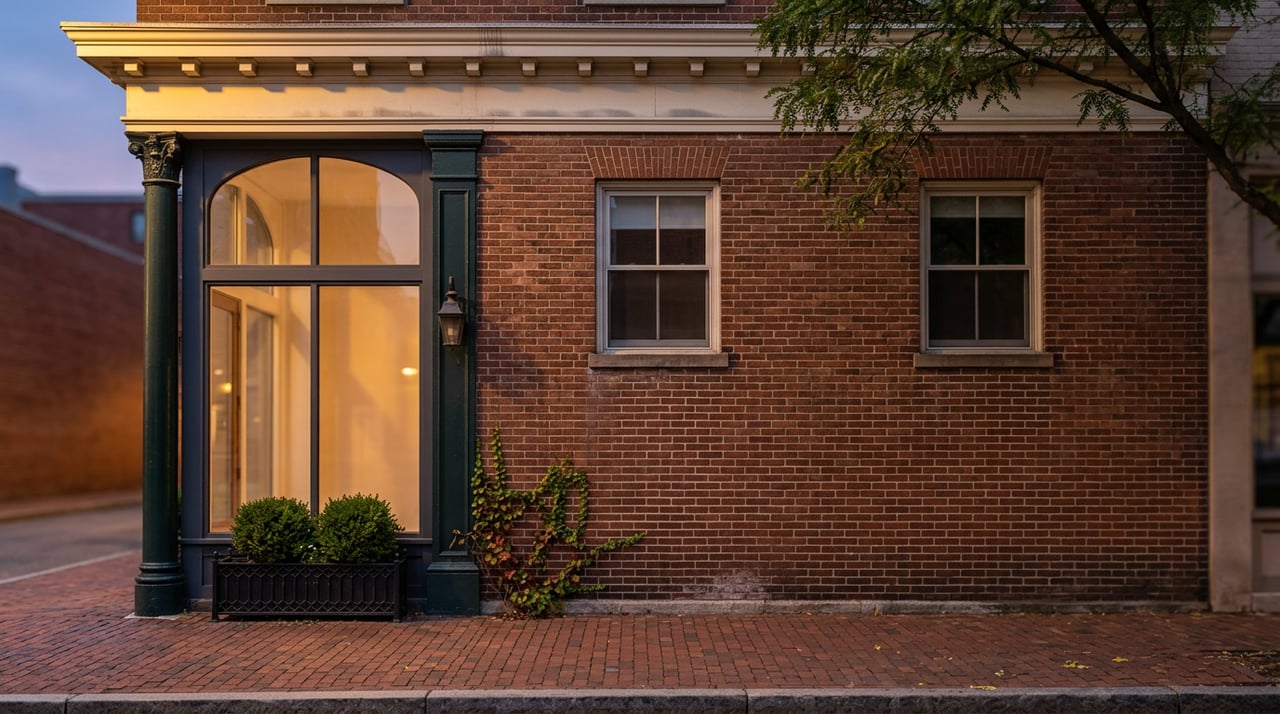
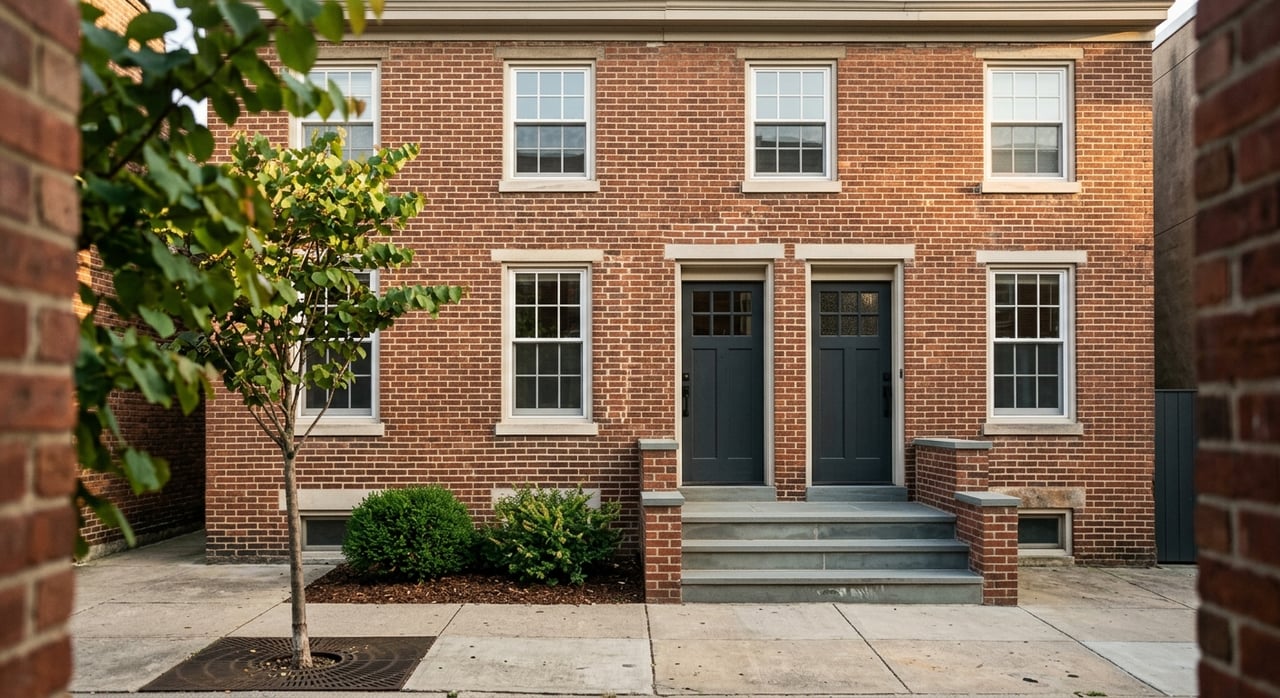
Rowhomes and attached homes
Attached homes are a major part of Reading’s housing stock. For a first-time investor, that can create more opportunities to find a property in the low- to mid-$200,000 range, especially if you are open to older homes or value-add projects.
These properties can be appealing because they are often easier to understand than larger multifamily assets. But in Reading, older attached housing can also come with repair needs that go beyond cosmetic updates.
Duplexes and small multifamily
Small multifamily is also a routine part of the local market, not a niche category. The city’s inspection fee schedule separates two-unit, three/four-unit, and five/six-unit properties, which reflects how common these property types are in Reading.
For some investors, a duplex or small multifamily can offer more flexibility than a single-unit rental. You may be able to spread vacancy risk across more than one unit, but you also need to plan for more inspections, more systems, and more compliance items.
Reading price and rent benchmarks
If you are trying to decide whether Reading fits your budget, the current numbers offer a helpful starting point. Reading’s home value benchmark is $260,654, with a median sale price of $228,833 and a median list price of $244,933. The market also had 296 for-sale listings and a median of 9 days to pending.
That suggests many entry-level purchases may fall in the low- to mid-$200,000s. Some older attached homes or distressed properties may come in below that, but the key point is that Reading still offers a lower basis than some nearby alternatives.
On the rental side, average rent in Reading is $1,350 across all bedroom counts and property types. Two-bedroom units average $1,350, and three-bedroom units average $1,550, with 298 rentals listed.
For a small investor, that points to many starter rentals producing rents in the low- to mid-$1,000s per month. That does not tell you net cash flow, but it does help you build a first-pass estimate when screening deals.
Why Reading can look attractive on paper
A rough pre-expense rent-to-price ratio in Reading is about 6.2%, based on current average rent and typical home value. In nearby Lebanon, that same rough metric is about 5.6%.
Reading’s typical home value is also about $24,773 lower than Lebanon’s, and its median sale price is about $15,667 lower. In simple terms, you may be able to buy at a lower price while still seeing similar rent levels.
That is one reason Reading often stands out as a cash flow-first market for entry-level investors. Still, this is only a rough screening tool. It does not account for taxes, insurance, repairs, vacancy, turnover, or city compliance costs.
The biggest Reading risk: compliance
In Reading, compliance is not a side issue. It is one of the main parts of the investment decision.
The city requires owners of residential and mixed-use parcels to file housing registration within 30 days of a change in ownership or use, and then annually after that. Rental properties also require a business privilege license.
If you live more than 25 miles outside the city, you must designate a Responsible Local Agent. The city says a property that is not properly registered may be deemed illegal, and noncompliance can trigger a $100 per-unit surcharge.
For a new investor, this means your underwriting should include administrative costs, city deadlines, and a plan to stay current on local requirements. A property that looks inexpensive at first glance can become much more costly if you ignore the local rules.
Inspections and code enforcement matter
Reading also uses scheduled inspections and active code enforcement. The city states that it administers rental and vacant permits, conducts regular inspections, and handles complaint and sweep enforcement.
Its property-maintenance checklist includes smoke detectors, carbon monoxide alarms, 68-degree heat, and a second means of egress for buildings with three or more units. If violations are not corrected, owners can face meaningful penalties.
This is important for first-time investors because older homes often need more than paint and flooring. Before you buy, it helps to think in terms of safety items, systems, and code readiness, not just visual upgrades.
Older housing means larger rehab questions
Reading’s housing stock is old. The city reports that 69% of owner-occupied units and 52% of renter-occupied units were built before 1950. It also reports that 89.2% of renter units were built before 1980, and as many as 19,610 homes may have lead-based paint hazards.
That should shape how you evaluate every deal. In Reading, rehab costs are not just about improving appearance. They may include plumbing, electrical, roofing, basement issues, and code-related repairs, along with possible lead-related concerns tied to the age of the housing stock.
If you are reviewing a property that seems underpriced, there is a good chance the discount reflects condition, compliance, or both. Conservative repair estimates are especially important in this market.
Taxes and exit costs to budget for
Your numbers should also account for city-level costs beyond the purchase price. For 2026, Reading’s real estate tax rate is 19.217 mills, the business privilege license is $55, and the city transfer tax is 5%.
The city also requires a Certificate of Transfer before a sale, regardless of property use. These are not minor details. They affect both your holding costs and your eventual exit strategy.
If you are comparing two similar-looking deals, the one with the cleaner compliance history and more realistic cost assumptions may be the better investment, even if the asking price is slightly higher.
Reading vs. Lebanon for small investors
Because the Michael Orta Team is rooted in central Pennsylvania, many investors naturally compare Reading with Lebanon. The two markets can serve different goals.
Lebanon’s typical home value is $285,427, compared with $260,654 in Reading. Yet current average rent is very similar, at $1,350 in both markets.
Lebanon has seen stronger recent price momentum, with typical home values up 5.6% year over year versus 2.5% in Reading. That can make Lebanon feel more appreciation-leaning, while Reading tends to look stronger from a basis and gross rent perspective.
For a small investor, the takeaway is fairly simple:
- Reading may fit you better if you want a lower entry point and are focused on cash flow screening.
- Lebanon may fit you better if you are comfortable with a slightly higher basis and are more interested in recent appreciation trends.
- Both markets require conservative underwriting, especially for older housing.
How to screen a Reading deal wisely
If you are considering an entry-level investment property in Reading, a disciplined screening process matters. Fast-moving listings and lower prices can be appealing, but the numbers need to hold up under real local conditions.
Here are a few practical checks to make early:
- Confirm the property type and how it fits your investment plan.
- Review likely rent using current local benchmarks for similar unit sizes.
- Budget for repairs tied to older housing, not just cosmetics.
- Verify city registration, licensing, and inspection requirements.
- Factor in taxes, transfer costs, and compliance-related expenses.
- Treat rough rent-to-price ratios as a starting point, not a final answer.
A deal that works in Reading usually works because the buyer respected the local rules, priced the rehab honestly, and stayed disciplined on the purchase basis.
What this means for first-time investors
Reading can be a smart place to start if you want an entry-level rental property with a lower purchase price than some nearby markets. The city’s housing mix, renter share, and rent levels create a real case for investor interest.
But this is not a market for shortcuts. Older homes, regular inspections, registration rules, and meaningful code standards mean that successful buyers usually win by being prepared, not by being aggressive.
If you go in with clear numbers and realistic expectations, Reading can offer opportunity. If you underestimate rehab or compliance, an affordable-looking deal can get expensive in a hurry.
Whether you are comparing Reading with Lebanon or trying to buy your very first rental, having local guidance can help you move faster and ask better questions. If you want help evaluating opportunities in Reading or nearby central Pennsylvania markets, connect with Michael Orta for practical, local support.
FAQs
What types of entry-level investment properties are common in Reading?
- In Reading, entry-level investors will often find rowhomes, attached houses, duplexes, and small multifamily properties because attached housing and smaller multi-unit buildings make up a large share of the city’s housing stock.
What are current home price benchmarks for investment properties in Reading?
- Current Reading benchmarks include a home value of $260,654, a median sale price of $228,833, and a median list price of $244,933, which suggests many starter investments may fall in the low- to mid-$200,000s.
What are average rents for rental properties in Reading?
- Reading’s average rent is $1,350, with two-bedroom units averaging $1,350 and three-bedroom units averaging $1,550.
What local rules should Reading rental property owners know?
- Reading requires housing registration within 30 days of a change in ownership or use and annually after that, rental properties require a business privilege license, and owners living more than 25 miles away must designate a Responsible Local Agent.
Why do rehab costs matter so much for Reading investment properties?
- Rehab costs matter in Reading because much of the housing stock is older, many units were built before 1950 or 1980, and buyers may need to budget for system repairs, code items, and possible lead-related concerns.
How does Reading compare with Lebanon for first-time investors?
- Reading generally offers a lower purchase basis and similar rents, while Lebanon has shown stronger recent home-value growth, so Reading often looks more cash flow-focused and Lebanon can look more appreciation-leaning.