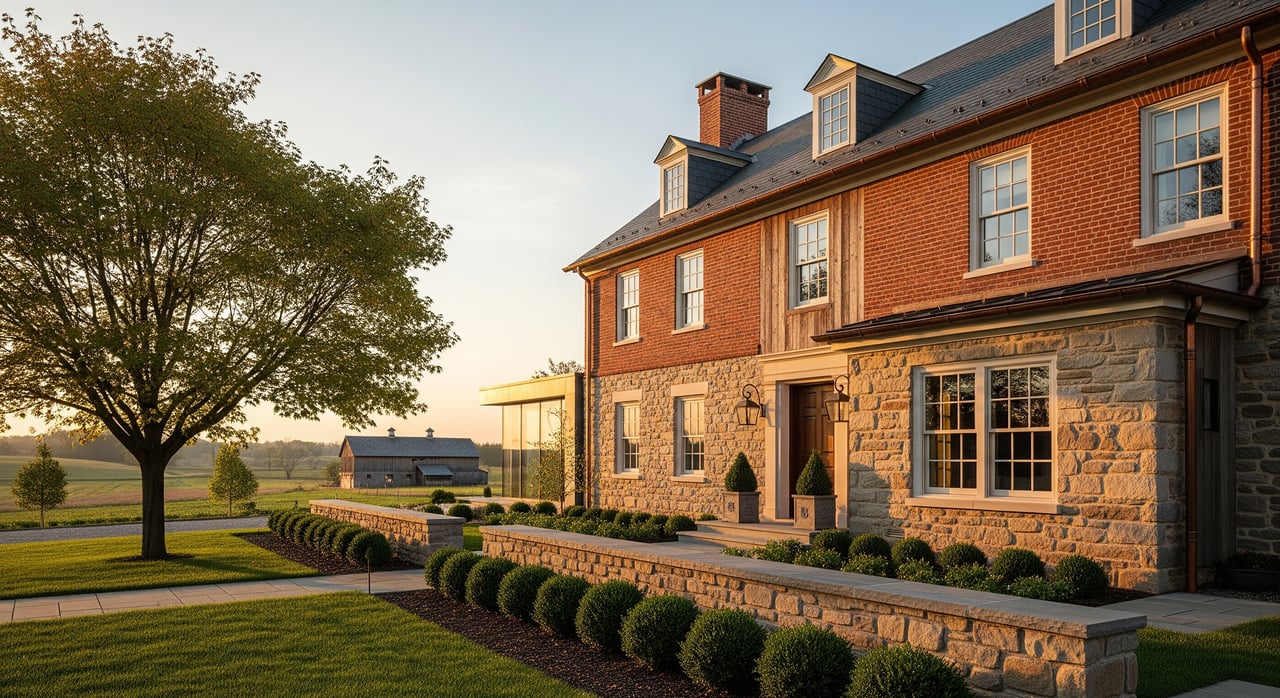
Trying to choose between Lancaster County and Lebanon County for your next move? Both offer strong value, but the way homes are priced, how fast they sell, and how you should negotiate can look very different from one county to the next. If you want to feel confident about where to focus your search or how to price your listing, you need a simple, apples-to-apples view of what matters. This snapshot walks you through the key comparisons, the on-the-ground dynamics, and smart next steps so you can buy or sell with clarity. Let’s dive in.
What to compare first
Before you fall in love with a neighborhood or list your home, line up these essentials across both counties:
- Median sale price and price per square foot to compare affordability and value.
- Days on market and months of supply to gauge competition and leverage.
- Sale-to-list ratio and price reductions to understand negotiating room.
- New listings vs. closed sales to see velocity and seasonality.
- Housing stock mix by type to match your needs with available inventory.
- Share of cash sales and new-construction activity to spot appraisal or timing risks.
- Property taxes and recurring costs to shape your monthly payment.
- Commute corridors and local employers to align location with your daily life.
- School district performance, using official state data, to inform your research.
These indicators tell you where you are likely to face multiple offers, where you can negotiate credits, and which areas align with your budget and timeline.
Lancaster County at a glance
Market makeup
Lancaster County offers a broad mix of city neighborhoods, suburban boroughs, and rural farmland. You will find historic homes, revitalized downtown blocks, and desirable small-town hubs such as Lititz and Strasburg. This variety creates different price bands and buyer pools within a short drive.
Pace and competition
In high-demand micro-markets, well-presented homes can draw multiple offers and shorter time to contract. Unique or historic properties may also encounter appraisal questions when comparable sales are limited. Understanding price bands by neighborhood helps you set the right expectations before you write an offer or set a list price.
Who it tends to fit
Lancaster often appeals if you want a walkable lifestyle, access to a larger employment base, or the character of established homes and boroughs. If you are selling in a faster pocket, strong pricing strategy and professional presentation can help you capture top-dollar momentum.
Lebanon County at a glance
Market makeup
Lebanon County is generally more affordable with a larger share of lower-priced single-family homes and smaller towns. New construction varies by township, and you will find both classic neighborhoods and developing areas that can fit first-time buyers and value-focused moves.
Pace and negotiation
Some submarkets offer more negotiating room, including inspection credits or closing cost help, especially in slower price segments. Months of supply and days on market can shift by ZIP code, so a hyper-local lens is critical.
Who it tends to fit
Lebanon often fits first-time and value-conscious buyers, veterans using VA financing, and small investors seeking entry-level properties. Sellers can win with accurate pricing, strategic improvements, and targeted marketing that reaches qualified buyers quickly.
Taxes, commutes, and carrying costs
Carrying costs are more than your principal and interest. Property tax rates, municipal fees, and HOA dues vary by location and can meaningfully change your monthly payment. Commute corridors to Lancaster City, Harrisburg, Reading, and beyond also affect demand by neighborhood. If a shorter drive or access to specific employers is a top priority, weigh those benefits alongside price per square foot and taxes.
Tip: Ask for a side-by-side estimate of typical annual property taxes for homes near your target price in each county. That comparison can be the tiebreaker when two homes check the same boxes.
New construction or historic charm
Both counties offer choices, but in different ways. Lancaster’s historic and downtown inventory can carry higher price-per-square-foot in certain areas, driven by amenities and revitalization. Lebanon’s mix often includes more entry-level options and developing neighborhoods in select townships. If you prefer new-build predictability and builder warranties, focus on active subdivision activity. If character and established streets are your priority, narrow in on older boroughs and city neighborhoods.
Negotiation playbook by county
The best strategy changes with local supply and pace. Use these guidelines as you plan your approach.
For buyers
- In faster Lancaster pockets: Be fully pre-approved, tour quickly, and consider tight response times. Escalation terms or appraisal-gap planning may be necessary on well-priced homes with high foot traffic.
- In flexible Lebanon segments: Ask your agent to analyze recent price reductions and typical seller credits. You may be able to secure repairs, credits, or a closing timeline that matches your needs.
- In rural or unique-home areas: Prepare for appraisal or financing questions due to limited comps. Build time for underwriting and have a plan if the appraisal comes in low.
For sellers
- Lancaster micro-markets: Price to the market-clearing level for your neighborhood and property type. Staging, professional photography, and clear timelines can amplify demand and compress days on market.
- Lebanon micro-markets: Script your pricing and consider strategic concessions if showings slow. Small pre-list improvements and accurate disclosures can reduce friction during inspections.
- Across both counties: Set firm but fair timelines, clarify inclusion lists, and ensure your home presents cleanly from day one. Early momentum matters.
Where demand feels strongest
- Lancaster hotspots: Walkable boroughs and the Lancaster City core often draw steady buyer interest. Historic charm, proximity to employers, and amenities can lift competition.
- Lebanon value plays: Smaller towns and developing subdivisions can offer more house for the money. Buyers who prioritize budget and yard space often start here.
Your results will vary by price band, condition, and location. A current 3-month snapshot for your specific ZIP code is the most reliable compass.
How to decide: three quick scenarios
- You want the most house for the payment: Start with Lebanon neighborhoods that match your commute. Compare price per square foot and taxes, then test-drive the route during your actual commute time.
- You want walkability and amenities: Shortlist Lancaster City or popular boroughs. Set a realistic price ceiling and be ready for faster decisions on the best listings.
- You are selling and buying locally: Time your sale and purchase around seasonal listing velocity. In faster pockets, a well-prepped listing can fund your next move with fewer concessions; in slower pockets, build extra days for negotiations.
What to do next
- Ask for a fresh side-by-side report: Median price, price per square foot, days on market, months of supply, and sale-to-list ratio for your exact price band in both counties.
- Tour contrasting neighborhoods: Visit one walkable borough and one newer subdivision in each county to feel the tradeoffs in commute, amenities, and lot size.
- Align financing with your strategy: Get fully underwritten if you expect competition, or explore credits and seller help in segments with more supply.
- Prep for appraisals and inspections: Plan for comps in unique areas and set expectations for health-and-safety focused repairs in seller-leaning markets.
If you want a tailored plan that fits your budget, timing, and commute, our local team can help you compare neighborhoods, analyze live data, and negotiate with confidence. Talk with Michael Orta to get a custom comparison and a step-by-step strategy for your move.
FAQs
Is it cheaper to buy in Lebanon County than Lancaster County right now?
- Generally, Lebanon County tends to be more affordable, but the best way to know is an apples-to-apples snapshot for your price band and ZIPs from the last 3 months.
How much negotiating room should I expect in Lancaster vs Lebanon?
- In faster Lancaster pockets, you may see fewer concessions and quicker decisions; in select Lebanon segments, credits and inspection repairs are more common.
Will I face appraisal issues buying in rural or unique-home areas?
- Possibly, because comparable sales can be thin; plan for appraisal questions and discuss options like appraisal contingency language or extra cash reserves.
Which county gets multiple offers more often, and on what property types?
- Hotter Lancaster micro-markets and well-priced homes often draw multiple offers, while competition varies in Lebanon by township and price band.
How should I price my home to sell quickly in either county?
- Use hyper-local comps by neighborhood and property type, price at the market-clearing level, and pair it with strong presentation to compress days on market.
What concessions are typical in today’s market?
- In competitive segments, sellers focus on health-and-safety repairs or offer small credits; in slower pockets, buyers may secure broader repairs or closing cost help.
How do property taxes and HOA fees compare between the counties?
- Rates and fees vary by municipality and neighborhood; review estimated annual taxes and HOA dues on specific homes to understand your true monthly cost.