If you are thinking about selling your home in Reading, your first few days on the market can shape the whole result. In a city where homes are selling quickly and buyers are comparing value closely, small details can affect how strong your offers look and how fast your home moves. The good news is that you do not need to overcomplicate the process. With the right prep plan, you can focus on the updates that matter most and launch with confidence. Let’s dive in.
Why prep matters in Reading
Reading is a fast-moving market, but that does not mean every home sells the same way. Over the three months ending May 2026, homes in Reading sold in about 10 days on average, received around 5 offers, and had a median sale price of $189,886. At the same time, 43.2% of homes sold above list price, while 20.6% had price drops.
That mix tells you something important. Buyers are active, but they are still paying attention to value and presentation. A clean, well-prepared home can create stronger early interest, while a home with visible clutter, unfinished repairs, or dated first impressions may lose momentum even in a competitive market.
Berks County data supports that urgency. In April 2026, the county had just 1.14 months of housing supply, with a 6-day median days on market for homes that closed that month. In a market this tight, it often makes more sense to finish your preparation before listing rather than going live while the home still needs visible work.
Start with decluttering and cleaning
If you want the highest-impact first step, start here. According to the 2025 NAR staging survey, the most common recommendations from agents to sellers were decluttering, cleaning the entire home, and improving curb appeal.
Decluttering helps buyers focus on the space instead of your belongings. It can also make rooms feel larger, brighter, and easier to understand online and in person. Since many Reading buyers are local and likely comparing practical options within the metro area, broad appeal matters more than highly personal style.
A full deep clean is just as important. Pay close attention to floors, baseboards, kitchens, bathrooms, windows, and any area where dust, stains, or odors might stand out. Clean reads as cared for, and that can influence how buyers view the rest of the home.
What to clear out first
- Extra furniture that makes rooms feel tight
- Personal photos and highly specific decor
- Overflow from kitchen counters and bathroom vanities
- Closets packed beyond easy storage capacity
- Pet items, odors, and visible wear
- Garage, porch, and entry clutter
Fix obvious issues before photos
Once the home is clean and simplified, move to visible defects and functional problems. Seller agents often recommend correcting property faults instead of staging every room, and that makes sense in a market where buyers move quickly and notice condition right away.
Focus first on items that suggest deferred maintenance. A dripping faucet, loose handrail, damaged trim, missing light bulb, torn screen, or scuffed wall may seem minor on its own, but together they can make the home feel less move-in ready.
This matters even more online. Professional photos tend to highlight brightness, layout, and finishes, but they also reveal chipped paint, stains, and clutter. If your home will be judged first on a screen, it should look complete before the camera shows up.
High-priority fixes to consider
- Patch holes and touch up paint where wear is obvious
- Repair leaky faucets or running toilets
- Replace burnt-out bulbs for a brighter showing experience
- Fix loose hardware, handles, and doors that stick
- Clean or replace damaged caulk in kitchens and baths
- Address noticeable flooring damage or stained carpet areas
Put your budget into curb appeal
If you have money to spend before listing, exterior improvements often offer the strongest resale payoff. Zonda’s 2025 Cost vs. Value report found that garage door replacement, steel door replacement, manufactured stone veneer, and fiber-cement siding replacement ranked among the best returns.
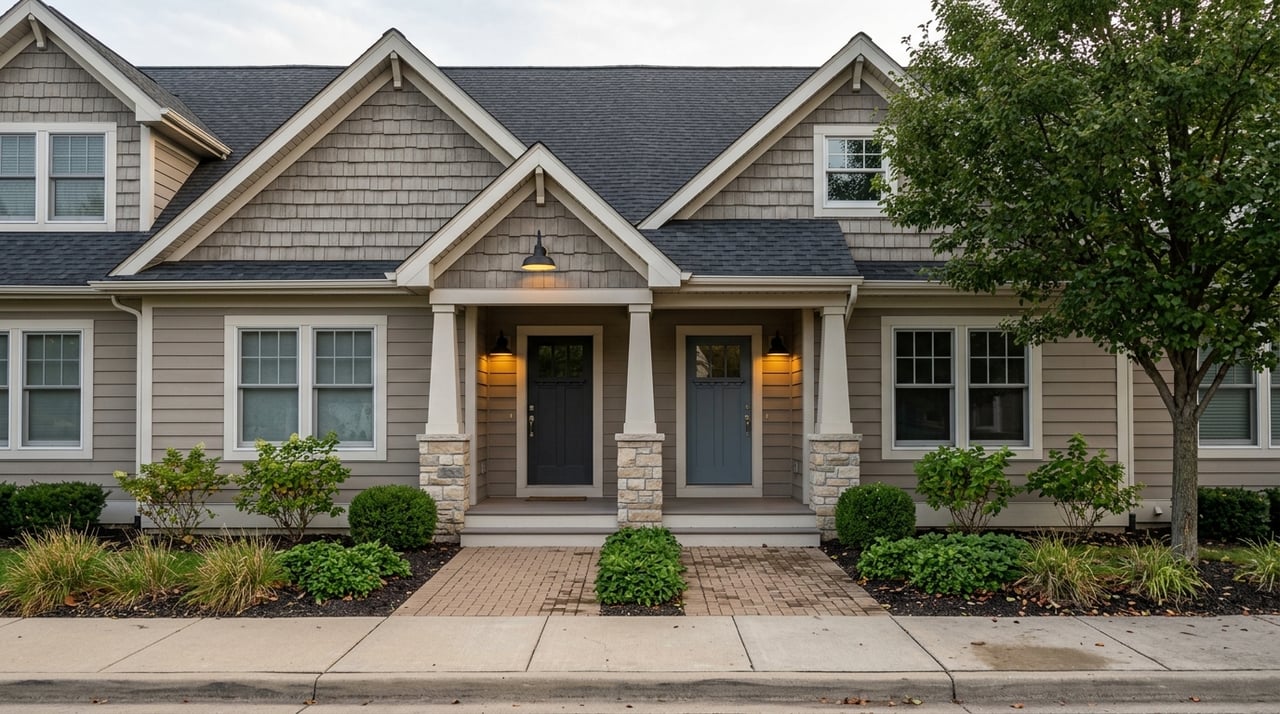
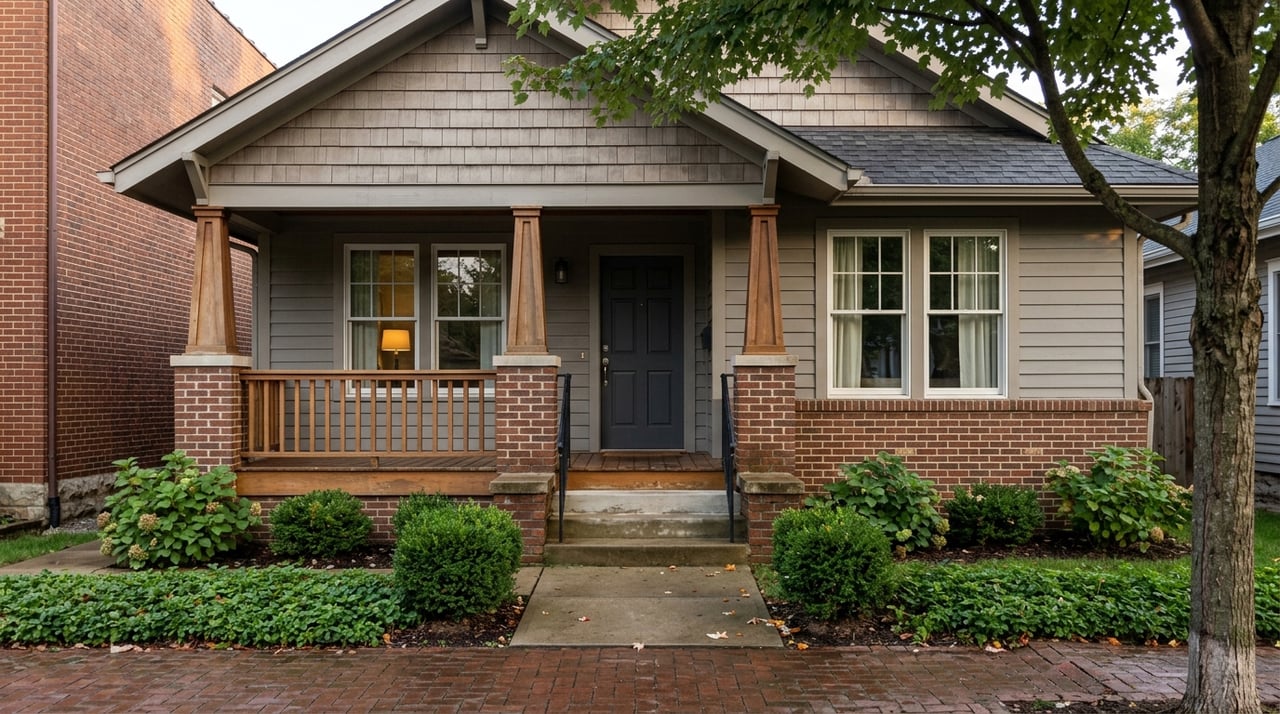
That does not mean you need a major exterior overhaul. It means buyers tend to respond strongly to the outside condition of a home, especially during the first showing and in listing photos. In many cases, simple improvements can help create that polished first impression without taking on a full renovation.
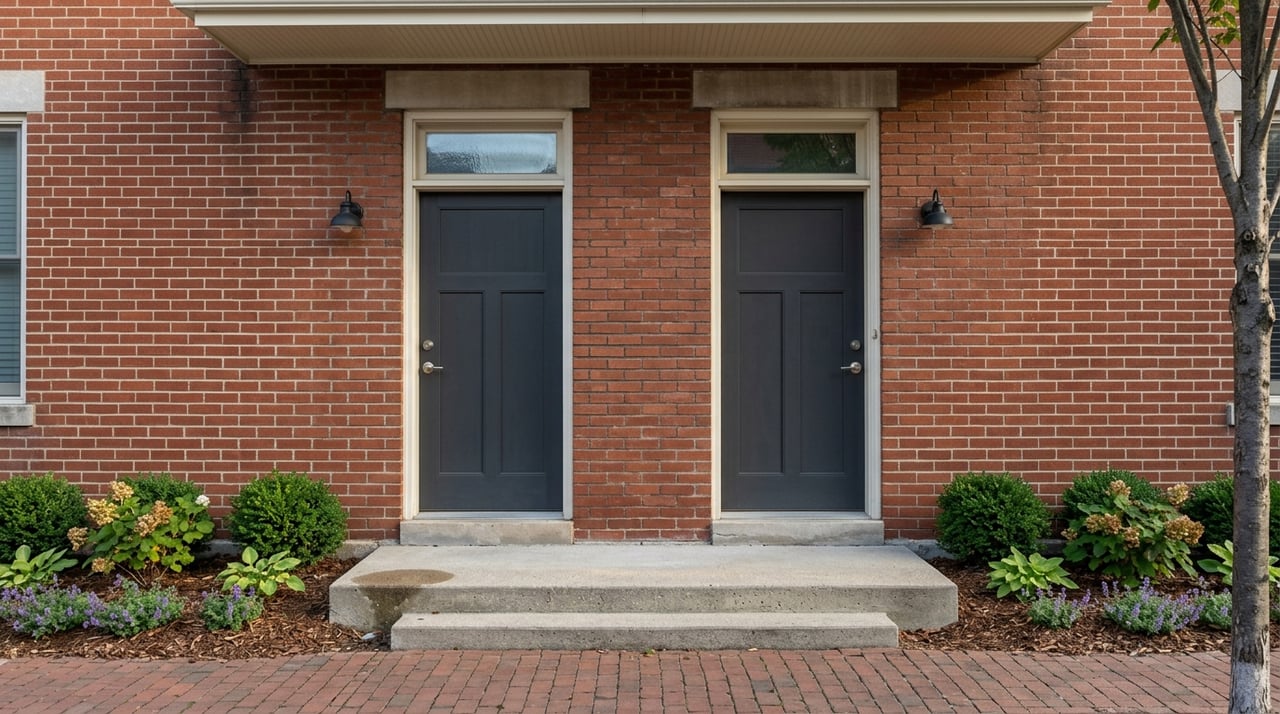
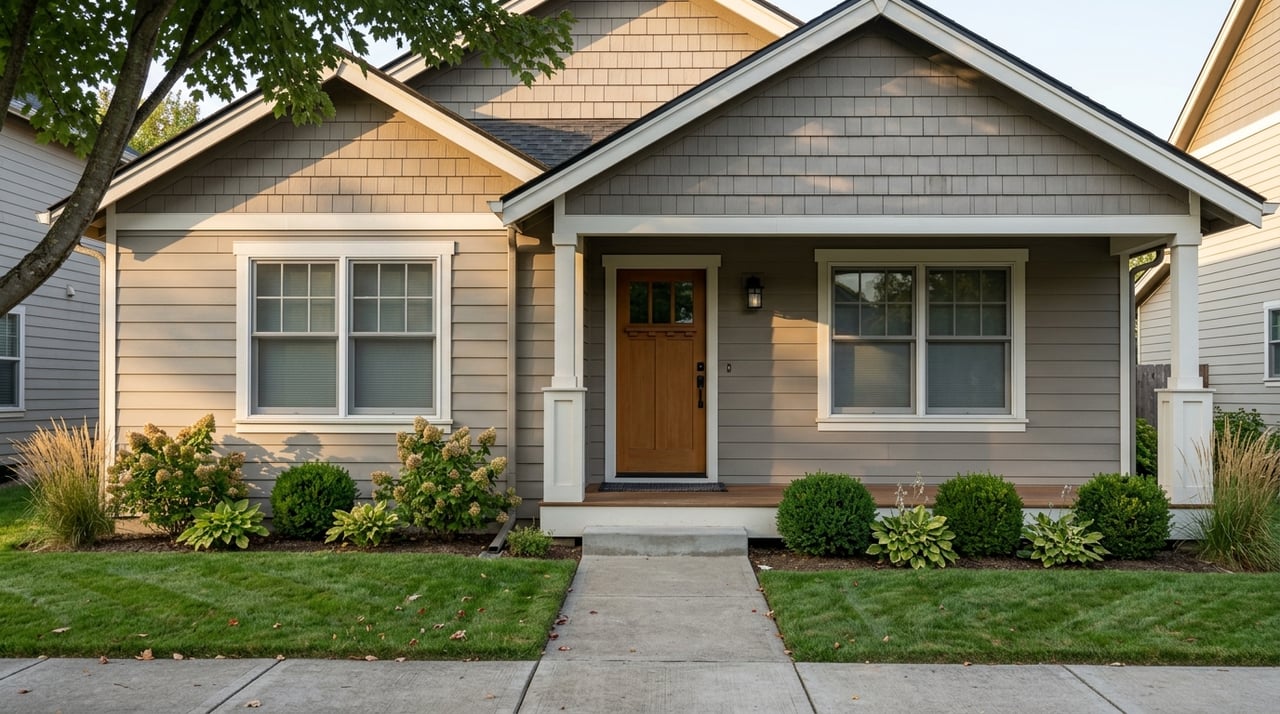
Start with what buyers see immediately from the street. Tidy landscaping, clean walkways, fresh mulch, a neat entry, and a front door that looks solid and well-kept can go a long way. If your garage door or front door looks especially worn, those may be smart places to invest.
Easy curb appeal wins
- Mow, edge, and trim the yard
- Remove weeds and dead plant material
- Refresh mulch in front beds
- Power wash siding, steps, and walkways if needed
- Paint or clean the front door
- Update worn house numbers, mailbox, or exterior light fixtures
Keep kitchen updates minor and strategic
It is easy to assume you need a full remodel before selling, but the data does not support that in most cases. Zonda found that a minor kitchen remodel performed much better on resale than many larger discretionary interior projects.
For many Reading sellers, that is an important distinction. With the city’s median sale price sitting at $189,886, buyers are often value-conscious, so a clean, functional, updated-looking kitchen may matter more than a high-end renovation that is hard to recoup.
If your kitchen looks worn or dated, think refresh, not rebuild. Painted cabinets, updated hardware, better lighting, fresh caulk, and clear counters can make a meaningful difference. The goal is to present the space as clean, usable, and appealing without overspending.
Stage the rooms that matter most
You do not always need to stage every room to make a strong impression. NAR found that staging helps buyers visualize a property as their future home, with 83% of buyers’ agents saying it made that process easier.
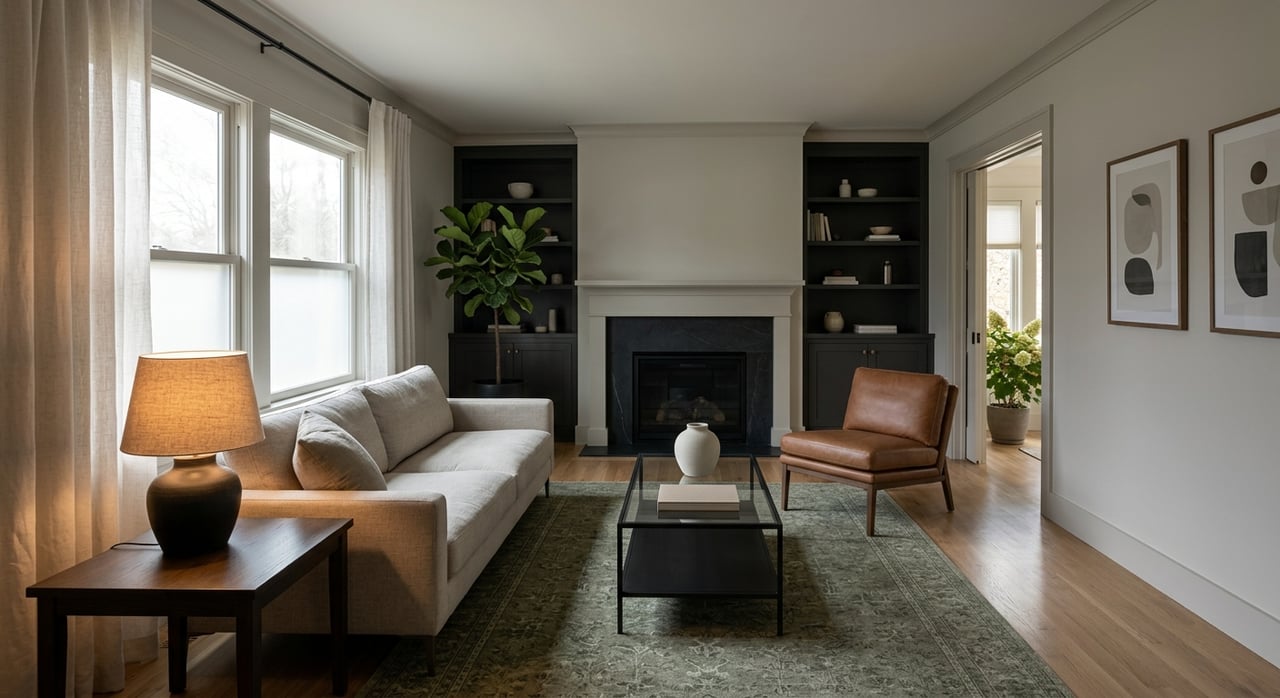
The same report showed the rooms that mattered most were the living room, primary bedroom, and kitchen. That gives you a smart roadmap if you want to use your time and budget carefully.
Focus on helping buyers picture daily life in the home. In the living room, that means clear seating areas and an easy sense of flow. In the primary bedroom, it means calm, simple bedding and minimal furniture. In the kitchen, it means clean surfaces, good light, and just a few tasteful accents.
Where staging has the most impact
- Living room: define the conversation area and open the walking path
- Primary bedroom: keep decor simple and make the room feel restful
- Kitchen: clear counters and highlight workspace and storage
NAR also reported that 49% of agents saw homes sell faster when staged, and 29% said staging increased the dollar value offered by 1% to 10%. The reported median cost of a professional staging service was $1,500, so it may be worth considering if your home needs help showing at its best.
Prioritize photos before launch
Your online first impression is no longer optional. NAR found that buyers’ agents rated photos as the most important marketing tool, ahead of physical staging, videos, and virtual tours.
That matters in Reading because homes can move fast once they hit the market. If your photos go live before the home is fully ready, you may waste the strongest attention window you will get.
This is where a strong listing process makes a real difference. Coordinating the prep, choosing which rooms need the most attention, and timing the launch after the home looks bright and polished can help your listing come out strong from day one.
Do not list too early
In a tight market, some sellers feel pressure to get listed as soon as possible. But fast market conditions do not erase the importance of timing. They often make timing even more important.
With Berks County showing low supply and quick sales, the first impression window can be short and valuable. If your home debuts with unfinished prep, visible clutter, or weak photos, you may miss your best chance to create urgency.
A smoother approach is to prepare first, photograph second, and launch only when the home is ready to compete. Speed helps, but readiness helps more.
Understand Pennsylvania disclosures
As you prepare your home, do not overlook disclosure requirements. Pennsylvania requires sellers to disclose all known material defects that are not readily observable, and the state form covers issues such as roof problems, basement moisture, pests, structural movement, liens, title issues, zoning or fire-code violations, and other material defects.
The form is not a warranty, but it does require honest disclosure of known conditions. If information becomes inaccurate after you complete the form, you must notify the buyer in writing.
This is another reason to prepare thoughtfully before listing. When you take time to review the home, address visible issues, and organize what you know about its condition, the sale process often becomes smoother and less stressful later.
A simple Reading prep plan
If you want a practical way to move forward, use this order:
- Declutter the whole home
- Deep clean every room
- Fix visible defects and functional issues
- Improve curb appeal and the front entry
- Refresh the kitchen only if it looks worn or dated
- Stage the living room, primary bedroom, and kitchen first
- Schedule photos only after the home is fully ready
- Review disclosures carefully before going live
This kind of step-by-step approach can help you protect your first impression and make the most of a competitive Reading market.
Selling a home is not just about getting on the market fast. It is about showing up prepared, priced thoughtfully, and presented in a way that helps buyers see the value right away. If you are getting ready to sell in Reading or anywhere nearby in central Pennsylvania, Michael Orta can help you build a smart prep plan, market your home professionally, and move forward with confidence.
FAQs
What should I do first before listing a home in Reading, PA?
- Start with decluttering and a deep clean, since those are the most commonly recommended seller prep steps and they improve both showings and photos.
How fast are homes selling in Reading, PA?
- Over the three months ending May 2026, homes in Reading sold in about 10 days on average, while Berks County reported a 6-day median days on market for homes that closed in April 2026.
Which home updates offer the best resale value before selling?
- Exterior projects tend to show the strongest resale payoff, especially garage door replacement, steel door replacement, and other curb appeal improvements.
Should I remodel my kitchen before selling my Reading home?
- Usually, a minor kitchen refresh makes more sense than a full remodel, especially if the goal is to improve appearance without overspending.
Which rooms matter most for staging a home for sale?
- The living room, primary bedroom, and kitchen tend to matter most because those spaces have the biggest impact on buyer perception.
What do Pennsylvania home sellers have to disclose?
- Pennsylvania sellers must disclose known material defects that are not readily observable, including issues like roof problems, basement moisture, structural movement, pests, liens, title issues, and certain code or zoning violations.